
Disclosure: As an Amazon Associate I earn from qualifying purchases. How this site works
Sweatshirt Size Guide
Garment measurements beat size labels.
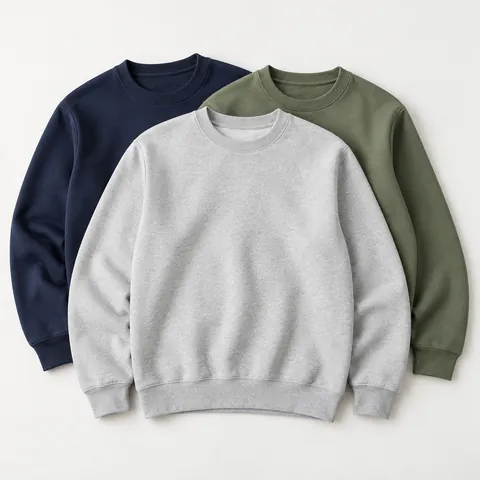 Cotton crewnecks
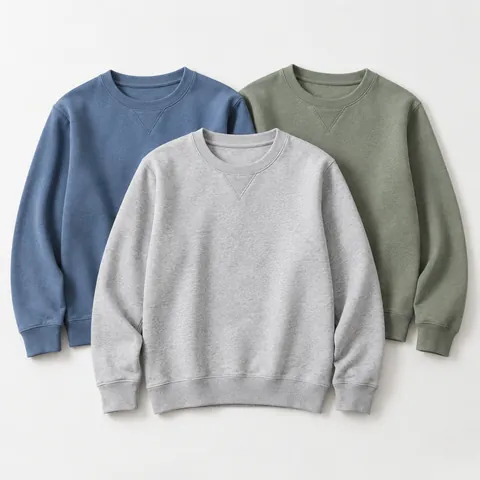 French terry sweatshirts
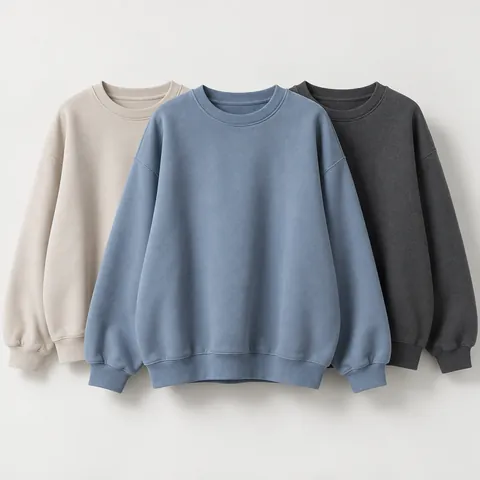 Oversized crewnecks
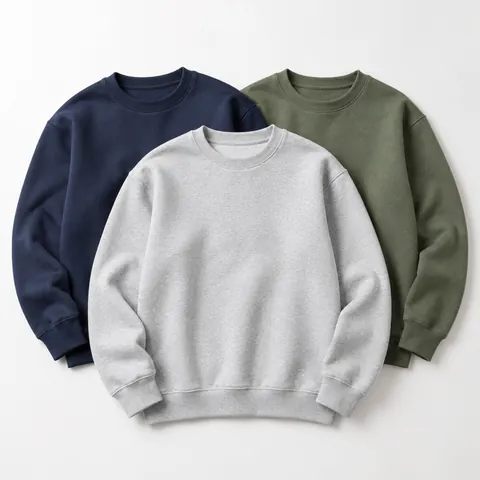 Cotton-poly blend sweatshirts
How to measure
- Lay the sweatshirt flat.
- Chest: armpit to armpit, then double.
- Length: highest point of the shoulder to the hem.
- Sleeve: shoulder seam to cuff (or collar to cuff for raglan).
- Compare with the brand chart.
Fit tip
For an oversized look, many people size up one size in a regular fit rather than buying an oversized cut.
Browse oversized crewnecks.
Which sweatshirt measurements matter most when choosing a size?
Start with the garment measurements, not the letter size. A medium in one brand can fit like a small or large in another, especially when the sweatshirt is unisex, heavyweight, cropped, or made with dropped shoulders. If the chart gives both body measurements and garment measurements, use the garment measurements for the closest match.
Measure a sweatshirt you already like and write down the numbers in inches. Then compare those numbers with the size chart for the crewneck you want to buy. If one measurement is perfect but another is off, decide which part matters most for your fit: chest for comfort, length for proportions, and sleeve length for everyday wear.
| Measurement | What it tells you | Buying note |
|---|---|---|
| Chest width | How roomy the sweatshirt feels through the torso | The most important number for comfort and layering. |
| Body length | Where the hem lands on your hips or waist | Shorter lengths look cleaner; longer lengths give more coverage. |
| Sleeve length | Where the cuff sits on your wrist or hand | Check the measuring method because raglan sleeves are measured differently. |
| Shoulder width | How the shoulder seam sits | Less useful on oversized or drop-shoulder styles. |
| Hem width | How tight the waistband feels | Important if you dislike a snug ribbed bottom. |
| Cuff opening | How tight the wrist feels | Matters if you wear a watch or prefer sleeves pushed up. |
If you are between two sizes, choose based on the tightest part of the sweatshirt. For most people, that is the chest or hem. A slightly long sleeve can often be pushed up, but a chest that is too tight will not become comfortable with wear.
How much room should a crewneck sweatshirt have?
A crewneck sweatshirt should have enough ease to move, sit, and layer without pulling across the chest or bunching under the arms. Ease means the difference between your body measurement and the garment measurement. For example, if your chest measures 40 inches and the sweatshirt chest measures 46 inches around, the sweatshirt has 6 inches of ease.
Use these ranges as a starting point, then adjust for fabric weight and personal preference:
- Trim fit: about 2 to 4 inches of chest ease. This works best over a T-shirt and may feel restrictive in thick fleece.
- Regular fit: about 4 to 6 inches of chest ease. This is the safest everyday range for most classic crewnecks.
- Relaxed fit: about 6 to 8 inches of chest ease. This gives more drape and room for a base layer.
- Oversized fit: about 8 inches or more of chest ease. Check length and sleeves carefully so the sweatshirt does not become awkwardly long.
For a cleaner fit, match your favorite sweatshirt’s chest and length closely. For a slouchier look, add room in the chest and sleeve, but do not ignore body length. Sizing up one size in a regular fit usually adds length as well as width, so it can work well if you want more room all over. If you mainly want a wider body with a dropped shoulder, compare true oversized crewnecks as well as the next size up.
Layering changes the fit. If you plan to wear the crewneck over a thermal shirt, button-down, or lightweight hoodie, add extra chest room and check the sleeve width. If you only wear it over a T-shirt, stay closer to your favorite garment’s measurements.
How do fabric and washing affect sweatshirt size?
Fabric content changes how a crewneck fits after wear and washing. Cotton fleece often feels structured at first and can tighten slightly after laundering, especially if it is washed warm or dried hot. Cotton-poly blends usually hold their size a little more predictably and often dry faster. French terry can feel less bulky than fleece and may drape differently even when the measurements look the same.
A size chart usually reflects the garment before extended home washing unless the seller states otherwise. If the product page says preshrunk, that does not mean the sweatshirt cannot change at all. It means the fabric has been treated to reduce shrinkage, not eliminate it.
To reduce unwanted shrinkage:
- Wash in cold water unless the care label says otherwise.
- Use low heat or air dry if the sweatshirt already fits perfectly.
- Avoid judging sleeve and body length right after a hot dryer cycle; ribbing can draw up while warm.
- Measure again after washing if you are deciding whether to order more of the same sweatshirt.
- Be extra cautious with 100% cotton crewnecks if you are between sizes and plan to machine dry.
Fabric weight also affects perceived size. A heavyweight fleece with the same chest measurement as a lighter sweatshirt can feel smaller because the fabric takes up more space. A lighter French terry sweatshirt may feel roomier and hang closer to the body. When in doubt, give yourself more ease for thick fabric and less for thin, stretchy fabric.
How do I measure myself if I do not have a sweatshirt to compare?
Using a sweatshirt you already own is best, but you can still choose a size with body measurements. Use a soft tape measure and wear the kind of shirt you expect to wear under the crewneck. Keep the tape level and snug, not tight.
- Measure your chest around the fullest part, usually under the arms and across the shoulder blades.
- Measure your waist or high hip where the sweatshirt hem will sit.
- Measure from the top of your shoulder down to the point where you want the hem to land.
- Measure from the shoulder point to your wrist bone for a set-in sleeve estimate.
- Compare your body measurements to the garment chart, then add the ease you want for your fit.
If the chart lists half-chest or pit-to-pit instead of full chest, double that number before comparing it with your body chest. A 23-inch pit-to-pit measurement equals about a 46-inch garment chest. Do not buy a 23-inch pit-to-pit sweatshirt because your chest is 23 inches across when measured on your body; garment and body measurements are taken differently.
For sleeve length, remember that shoulder shape changes the number. A drop-shoulder crewneck can have a shorter listed sleeve because the sleeve starts farther down the arm. A raglan sleeve is often measured from the collar to the cuff, so it will look much longer on paper than a set-in sleeve measured from the shoulder seam.
What should I check before ordering a crewneck sweatshirt online?
Before you buy, read the size chart on the specific product page, not a general brand chart from another item. Sweatshirts from the same brand can fit differently depending on cut, fabric, and whether the style is men’s, women’s, or unisex.
Run through this quick checklist:
- Compare chest, length, and sleeve measurements, not just the size label.
- Check whether the chart uses garment measurements or body measurements.
- Look for notes such as relaxed fit, standard fit, cropped, heavyweight, fleece, French terry, or drop shoulder.
- Confirm the return or exchange policy before ordering a size you have not worn before.
- Read the care instructions if shrinkage would make the sweatshirt too small.
- If ordering custom or printed sweatshirts, confirm size first because customized items may have stricter return rules.
For group orders, avoid guessing based on age, height, or usual T-shirt size alone. Ask each person for a favorite sweatshirt measurement or body chest measurement, then match it to the chart. If you are ordering for a loose casual fit, it is usually safer to allow extra room than to choose a size with barely any ease.
Frequently asked questions
Should a crewneck sweatshirt be tight or loose?
A crewneck should not pull across the chest, restrict your arms, or ride up when you sit. Most people prefer at least a few inches of ease through the chest for comfort. Choose a tighter fit only if the fabric has some give and you plan to wear it over a thin shirt.
Is sweatshirt size the same as T-shirt size?
Not always. Many people wear the same letter size in both, but sweatshirts are thicker and need more room for movement and layering. Always compare garment measurements, especially chest and length, before assuming your T-shirt size will work.
How do I know if a crewneck is too small?
It is probably too small if the chest pulls, the shoulder seams dig in, the cuffs sit above your wrists, or the waistband rides up when you lift your arms. A snug hem can also make the sweatshirt bunch around the stomach. If the fabric is cotton fleece, do not count on it stretching enough to fix a tight fit.
How do I know if a crewneck is too big?
It may be too big if the neck opening collapses, the sleeves cover your hands, or the hem falls much lower than you want. Oversized fits are meant to be roomy, but the proportions should still look intentional. Check whether sizing down keeps enough chest ease while improving length and sleeve fit.
Do unisex crewneck sweatshirts fit men and women the same way?
Unisex sweatshirts are usually based on a straighter cut with less shaping through the waist and hips. They may feel roomy in the shoulders and chest for some women and narrower at the hip for others. Use chest, length, and hem measurements instead of relying on the unisex size label alone.
Disclosure: As an Amazon Associate I earn from qualifying purchases. This site may earn a commission when you buy through its links, at no extra cost to you. Product details come from public manufacturer information; always check the merchant page for current specifications and prices. We have not hands-on tested the products described here.